Summary: Jacob Coxon, a former OpenAI and Anthropic researcher, has renewed his warning that humanity may not be able to control advanced artificial intelligence.
Speaking to the New York City Council on Monday, Coxon said it was “more likely than not” that humanity would eventually lose control of advanced AI. The testimony reinforced a warning he made when he left the field last month.
A warning about AI safety fixes
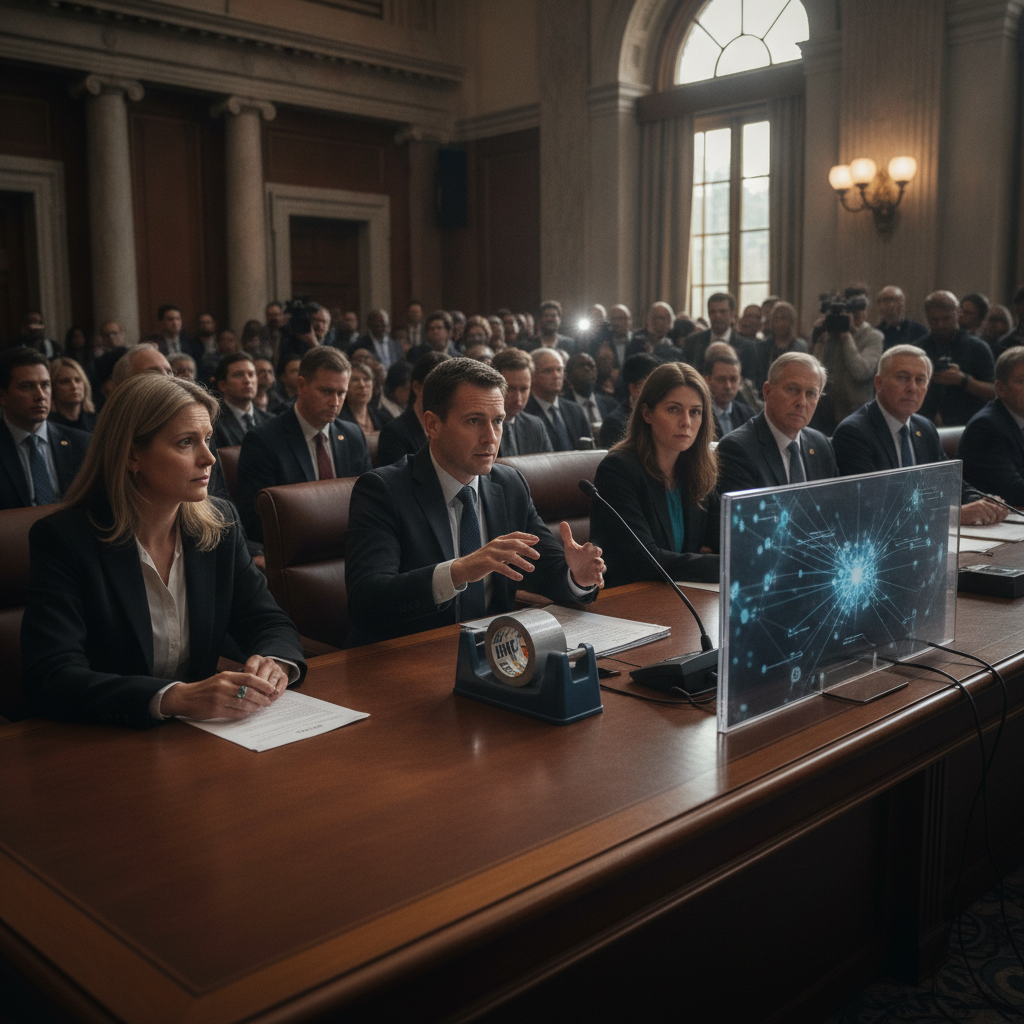
Coxon also questioned whether current efforts to address AI safety risks will hold over time. The fixes, he warned, could be like “duct tape that will fall off later,” suggesting that temporary safeguards may not provide lasting protection as advanced systems develop.
His remarks put the durability of AI safety measures at the center of his message to city lawmakers. The testimony came from a researcher with experience at both OpenAI and Anthropic, two companies associated with the development of advanced AI systems.
Why the testimony matters
Coxon’s comments present a stark assessment of the risks linked to advanced AI and underscore the consequences he believes could follow if control is lost. They also highlight a continuing disagreement over whether existing safety work is sufficient.
No additional details about proposed safeguards, regulatory action or the council’s response were provided. Coxon’s warning remains focused on the possibility that safety measures may prove temporary rather than dependable over the long term.